How SkyClean works
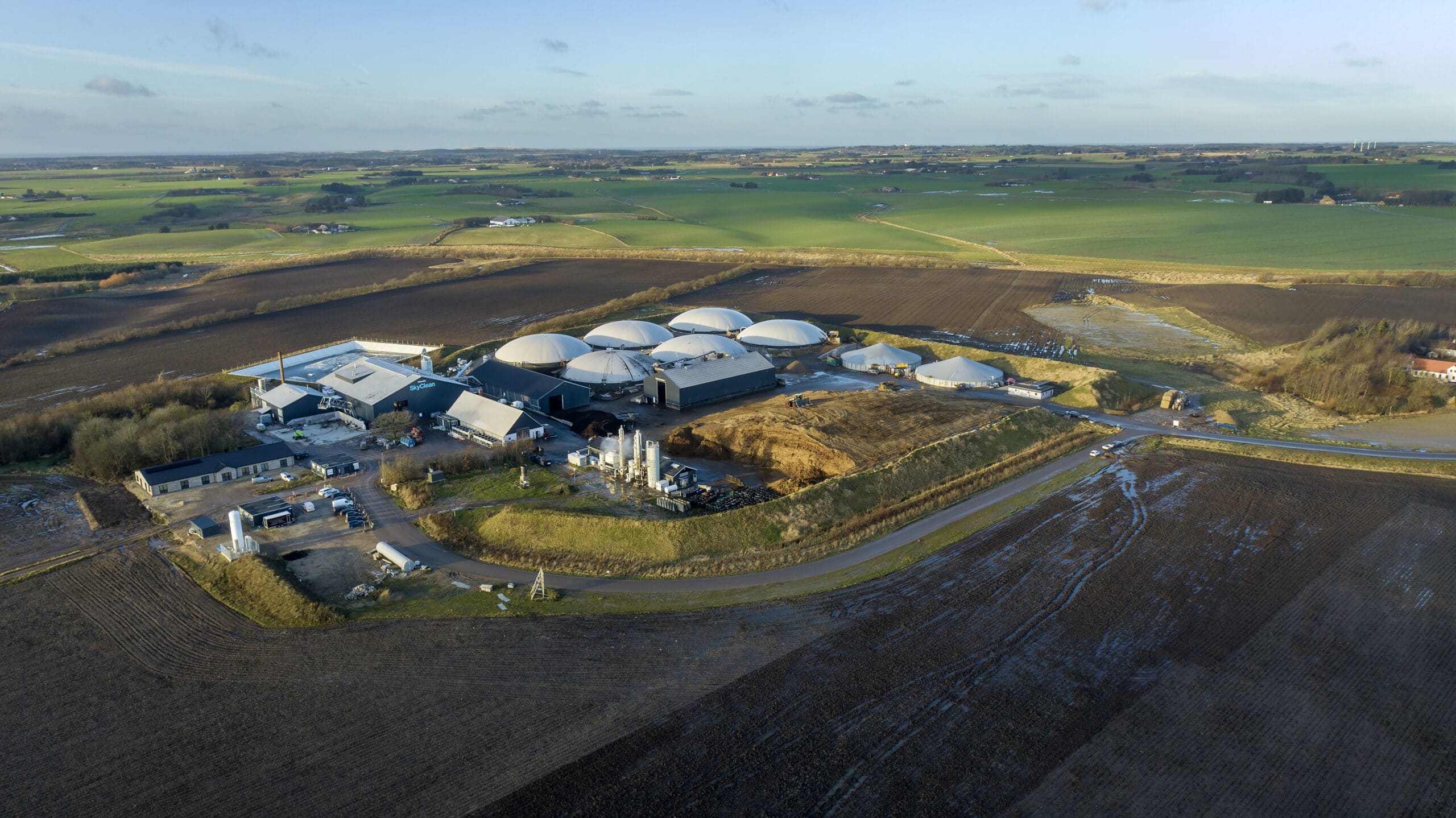
SkyClean converts biomass residues into renewable energy and stable biochar through industrial slow pyrolysis. The process creates two valuable outputs from the same feedstock: renewable energy and durable carbon removal.
Built on nature’s natural carbon cycle
Plants remove CO₂ from the atmosphere through photosynthesis.
When biogenic biomass decomposes or is burned, most of that carbon returns to the atmosphere.
Through slow pyrolysis, SkyClean converts biomass into stable biochar, preventing a portion of the captured carbon from returning to the atmosphere while recovering renewable energy from the same feedstock.
SkyClean pyrolysis step by step

Preparing the feedstock
⚪ Pelletisation creates a uniform feedstock
Biomass residues vary in moisture content, particle size, and composition. To ensure stable operation and consistent output quality, feedstock is prepared before entering the pyrolysis process.
Where required, biomass is dried to a moisture content of 12–15% and then pelletised.
All material is pelletised before entering the reactor. A uniform feedstock is central to the SkyClean process, enabling stable operation and consistent production of high-quality biochar.

Slow pyrolysis
♨️ Renewable heat production
⚫ Carbon retention in biochar
Dried and pelletised feedstock enters the pyrolysis reactor, where it is heated at 500-600 degrees Celsius in an oxygen-limited environment. Instead of burning, the biomass undergoes controlled thermal conversion.
The process separates the biomass into two valuable outputs: stable biochar, which retains carbon for long-term storage, and energy-rich pyrolysis gas, which can be recovered and used as renewable energy.

Energy integration
🏭 Gas, heat or bio-oil for external offtakers
The pyrolysis gas produced during conversion contains the remaining energy content of the biomass. Part of this energy is used internally to support feedstock preparation and plant operation.
Depending on project requirements, the remaining energy can be utilised as renewable heat, recovered as bio-oil, or upgraded into renewable fuels. This creates a second value stream alongside durable carbon removal.

Carbon capture and storage
🌍 Durable carbon removal
🏗️ Productive use of biochar
During pyrolysis, a portion of the carbon contained in the biomass is converted into stable biochar instead of returning to the atmosphere.
This stable form of carbon can remain stored for centuries or longer, making pyrolysis a recognised pathway for durable carbon removal. The resulting biochar can then be used across a range of applications while continuing to store carbon over the long term.

Field-to-field circularity and CO₂ removal
SkyClean turns residue from agriculture, forestry, and industry into biochar and energy through pyrolysis. Low-value organic waste becomes highly valuable biochar that can be returned to the field, enhancing soil quality and water-holding capacity, and storing carbon for thousands of years.
All types of biomass can be used for pyrolysis in SkyClean
SkyClean plants can be built and used anywhere in the world, because most organic biomass can be pyrolysed: straw, wood chip, residue from biogas plants, and shells, husk, and rods of all sorts.
Both wet and dry biomass
Wet biomass like manure is dried in SkyClean before being pelletised and pyrolysed. Dry biomass is also pelletised, so all biochar from SkyClean is uniform and easy to spread.
Planning a pyrolysis project?
SkyClean supports projects from early concept and business case development to system delivery, integration, and operation.