Pyrolysis systems for renewable energy and permanent carbon removal
SkyClean pyrolysis plants convert the renewable energy from organic residues to useful green fuels and stabilize part of the carbon as biochar for permanent storage.
From residue to value, via pyrolysis
Biomass residues are often underutilised despite containing both energy and carbon. SkyClean’s slow pyrolysis process enables both to be retained.
Part of the energy value of the biomass is converted to fuels, while the remaining carbon is retained as biochar for long-term storage.
How SkyClean works
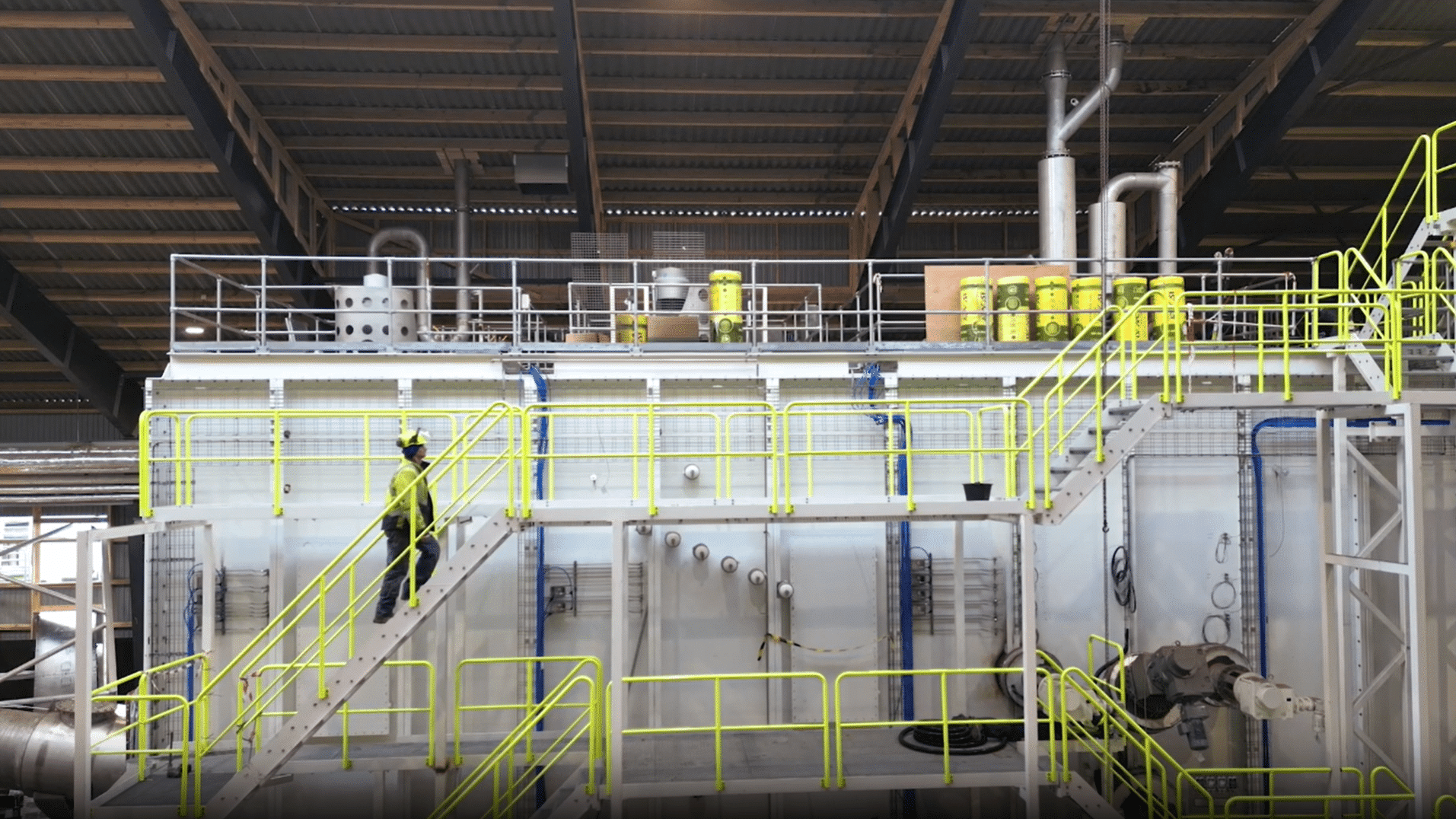
Built on nature’s carbon cycle, SkyClean’s slow pyrolysis process stabilises carbon in biochar while recovering energy from biomass residues.
Residue to revenue
The SkyClean Plant is a modular solution for industrial-scale carbon removal and renewable energy production.
Develop your project
Planning a pyrolysis project? Tell us about your feedstock and local energy opportunities. A member of the Stiesdal SkyClean team will assess your project’s potential.

Operating at commercial scale
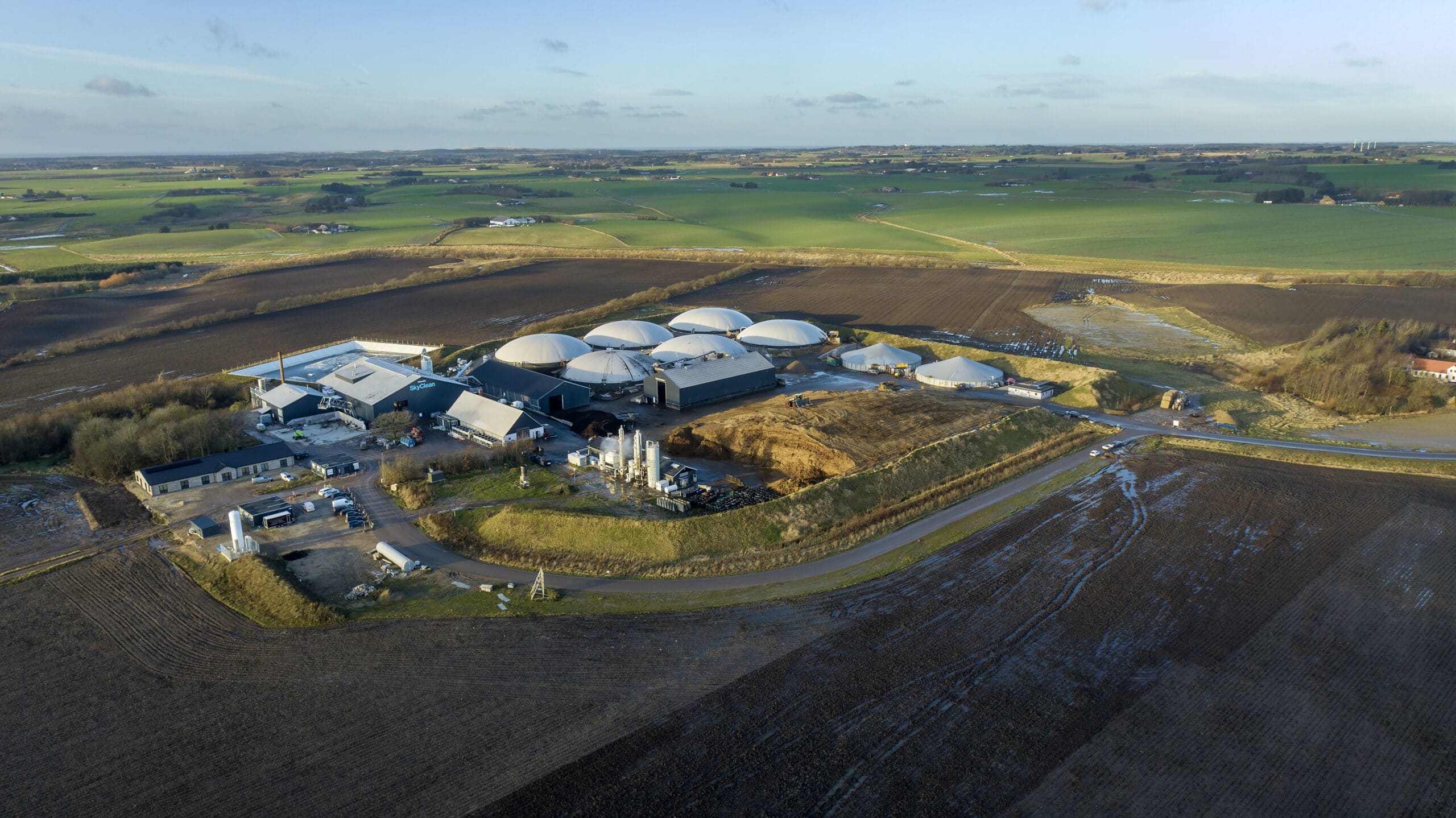
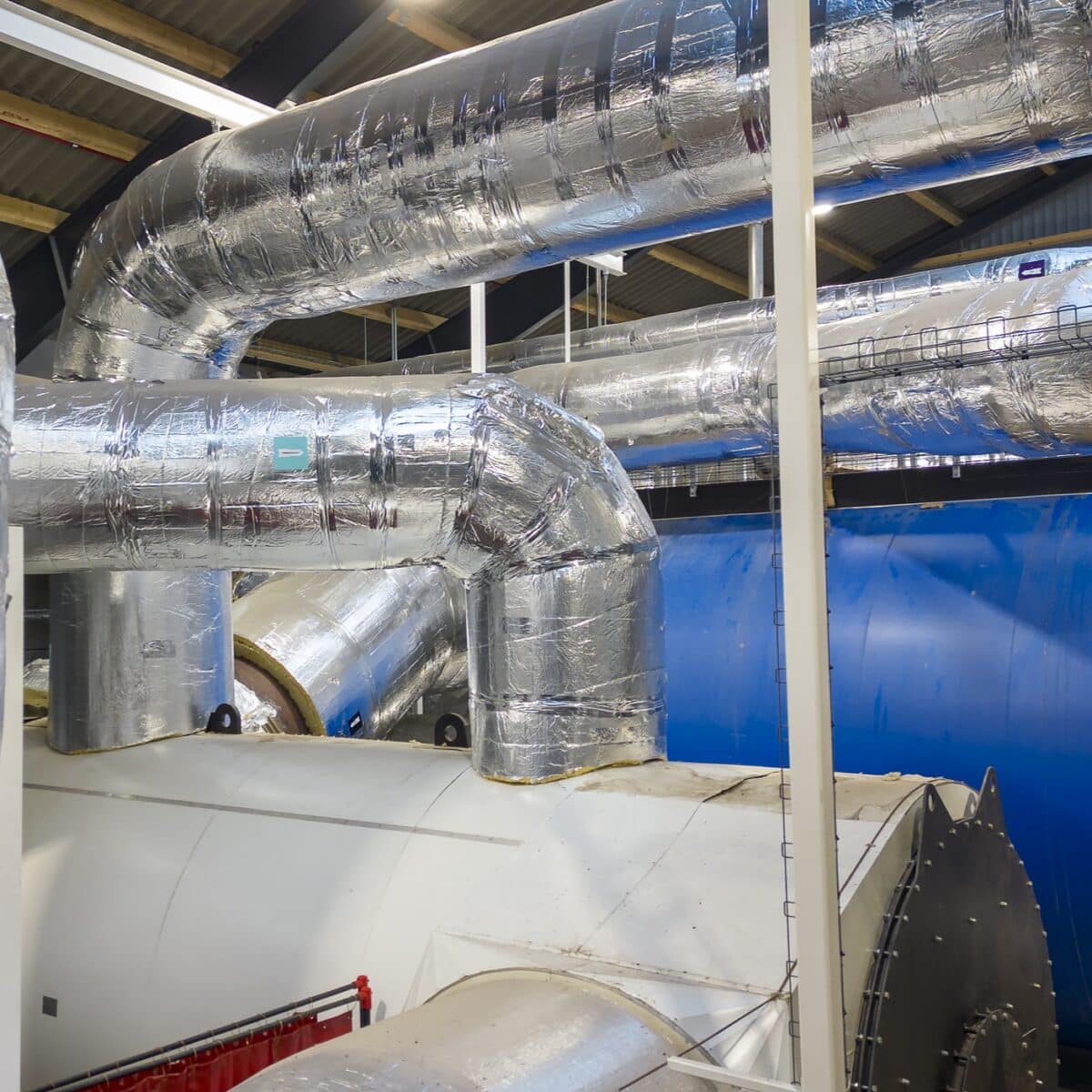
The 20 MW SkyClean plant in Vrå demonstrates commercial deployment of the SkyClean platform.
Integrated with a biogas facility, the plant converts digestate fibres into biochar while supplying surplus heat to the co-located biogas upgrading facility.
- 40,000 tons feedstock processed annually
- 57,000 MWh converted to fuel annually
- 25,000 tons CO₂ removed annually
Operational since 2024.

Designed, built, and delivered by one team
When you purchase a SkyClean module, process engineering, thermal integration, commissioning, and operational experience are delivered by one team.
We integrate technologies into industrial plants while reducing commercial risk and optimising the business case for our customers.
Find out what you can get out of your biomass
Plant configuration

Plant energy output: 0 MW
Output
Green energy
Green energy: 0 MWh per year
Carbon removal
Carbon removal: 0 t CO2 per year
Frequently asked questions
Is pyrolysis a mature technology?
Pyrolysis is a technology that has been used for millennia to produce biochar.
The production of biochar through pyrolysis specifically for capturing and storing CO₂ from the atmosphere is not new. Currently, up to 20 European and American technology providers offer complete solutions in this field.
The market for durable carbon removal is growing rapidly. By the end of 2024, nearly 8 million tons of CO₂ removal had been contracted globally, while more than 318,000 tons had already been delivered and permanently stored.
Of these delivered removals, approximately 274,000 tons originated from biochar projects. Representing 86% of durable carbon removal delivered in 2024, biochar remains the most mature carbon removal pathway in commercial operation. Supported by established biomass supply chains and proven industrial processes, pyrolysis is also considered one of the most scalable approaches to durable carbon removal in the near to medium term. The latest information on CDR is available at CDR.fyi – Durable CDR Market 2024: Year in Review & What Comes Next.
In light of this, pyrolysis must be regarded as a mature technology.
How much CO₂ can be removed from the atmosphere through pyrolysis?
Pyrolysis of straw stores approximately 0.7 million tons of CO₂ per million tons of dry matter as biochar. This is accompanied by a displacement of about 0.45 million tons of CO₂ by replacing fossil fuels with green fuels, totaling about 1.15 million tons of CO₂ stored and displaced per million tons of dry matter.
Pyrolysis of waste from biogas plants stores approximately 0.75 million tons of CO₂ per million tons of dry matter as biochar. Additionally, there is a displacement of about 0.3 million tons of CO₂ by replacing fossil fuels with green fuels and saved methane emissions equivalent to about 0.1 million tons of CO₂. Here too, the total is approximately 1.15 million tons of CO₂ stored and displaced per million tons of dry matter.
A useful, slightly conservative rule of thumb is that one million tons of CO₂ is captured or displaced per million tons of dry matter feedstock.
Could the same climate benefits be acquired by simply mulching the agricultural residues?
When mulching straw, it is estimated that about 25% of the carbon content remains after 2 years. After 20 years, approximately 7.5% is left, and after one hundred years, around 3%.
In comparison, over 90% of the carbon is preserved in biochar produced by the Stiesdal SkyClean process when mulched in Denmark.
Based on this, mulching straw cannot be equated with biochar as a means of long-term carbon storage in the soil.
Will the deployment of pyrolysis lead to increased deforestation?
The economics of biomass pyrolysis depend on the value of carbon storage.
In practice, this value is expressed as CO₂ certificates purchased by private entities. These certificates impose high requirements on the sustainability of biomass, and if sustainability cannot be documented or guaranteed, a certificate cannot be issued.
Deforestation is rightly considered unsustainable, and the profitable production of biochar through deforestation is not feasible.
Is there a risk that the introduction of methods for capturing and storing CO₂ from the atmosphere may be perceived in some circles as a kind of free pass to continue emitting fossil CO₂?
It cannot be ruled out that some may perceive this as a signal that the atmosphere is under control, and we can continue with “business as usual,” including unlimited use of fossil fuels and the associated CO₂ emissions.
However, this is not an argument against starting to capture and store CO₂ from the atmosphere. We must reduce the excessively high concentration of CO₂ in the atmosphere to avoid climate change spiraling out of control. Simultaneously, it is equally imperative that we promptly halt emissions of fossil CO₂.
The real challenge is ensuring people don’t get the wrong idea and think everything is fine. We shouldn’t stop promoting CO₂ capture and storage. Instead, we need to step up our efforts to inform and communicate the full scope of the problem and the solutions.
Planning a pyrolysis project?
SkyClean supports projects from early concept and business case development to system delivery, integration, and operation.